

Retirement & cash flow
Translate future goals into savings, spending, investment and timing decisions.
Randall Stone Financial
Planning starts with what the money has to do: support a household, fund retirement, educate children, carry risk, preserve choices and survive changes that were not in last year’s spreadsheet. Investment decisions are one part of that larger job.
Financial plans may address retirement, education, investments, risk management, estate goals, tax preparation and planning, and other client-specific concerns. The work begins with interviews, documents, current circumstances, future goals and risk tolerance.
Translate future goals into savings, spending, investment and timing decisions.
Clarify objectives, risk tolerance, liquidity needs and portfolio choices in the context of the broader plan.
Education, estate goals, intergenerational choices and financial responsibilities that overlap.
A useful plan leaves behind more than charts: stated assumptions, visible priorities, real alternatives and recommendations a client can use. When life changes, we should know which part of the answer needs to change with it.
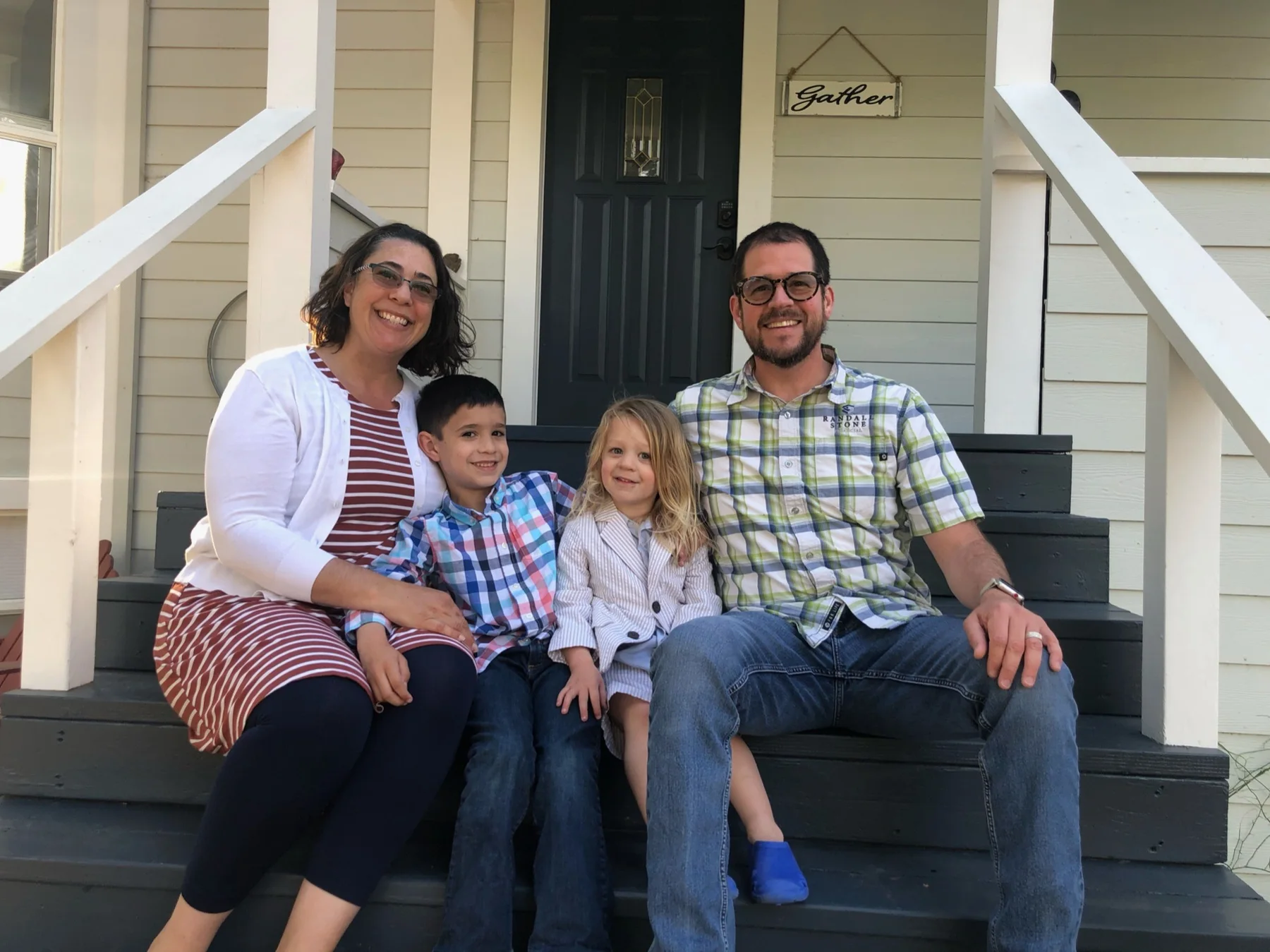
The plan has people attached
Education, housing, insurance, retirement, taxes and estate decisions are not separate client categories. They compete for the same cash flow, the same time and the same margin for surprises. The work is to make those tradeoffs visible before the decision becomes expensive.

